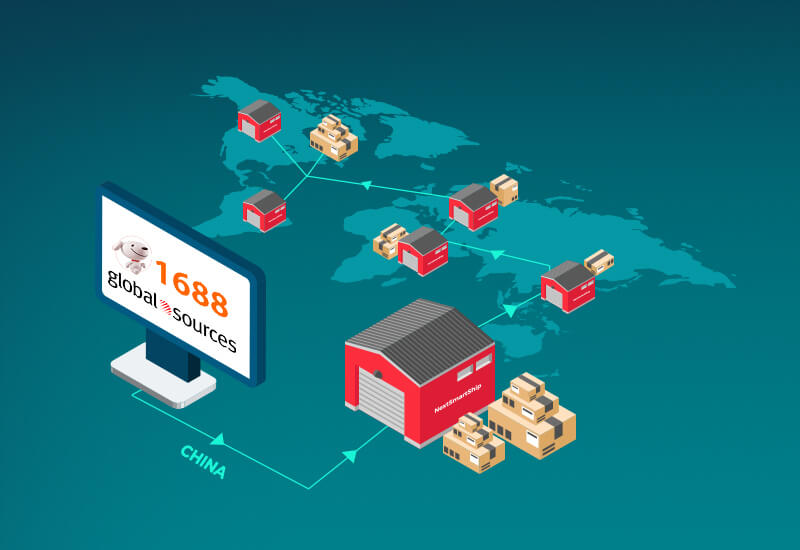
Print on demand flips traditional retail on its head by producing each item only after a customer orders it. Instead of paying for inventory upfront and guessing demand, creators upload designs, connect a store, and let fulfillment partners handle production, packing, and shipping. This model transforms fixed costs into variable costs, letting brands test new products quickly, retire underperformers without waste, and preserve cash flow. For side hustlers, creators, and established retailers alike, the economic logic is compelling: zero inventory holding, minimal risk, and the agility to iterate in real time.
A typical workflow begins with design creation and mockups. Sellers integrate a storefront—Shopify, Etsy, WooCommerce, or marketplaces—and sync SKUs through a provider’s app. When an order lands, production queues automatically, materials are sourced, and the item is printed, embroidered, or engraved. Branding options like custom neck labels, packaging inserts, and packing slips provide a cohesive customer experience. Many providers route orders to the nearest facility to cut transit times and reduce cross-border friction, which helps improve conversion rates by showing faster delivery estimates at checkout.
Quality control is the heartbeat of any print on demand operation. Because product is made to order, samples are essential: verify color accuracy, garment feel, print durability, and sizing variance across manufacturers. Differences between DTG (direct-to-garment), DTF (direct-to-film), screen printing, all-over sublimation, and embroidery can be material—DTG excels at photographic detail on cotton, while sublimation shines for vibrant, wraparound prints on polyester. Understanding these strengths lets sellers align designs with the right process to reduce returns and increase review averages.
Profit margins hinge on product cost, shipping, and platform fees. While base costs can run higher than bulk manufacturing, the model’s speed to market and ability to dynamically price on demand can offset that delta. Testing limited editions, seasonal variants, and micro-niches can reveal pockets of high intent where customers value uniqueness over commodity pricing. Beyond apparel, home decor, accessories, drinkware, phone cases, and wall art broaden AOV and reduce catalog concentration risk. The strategic payoff: a nimble assortment that evolves with real-time customer signals, not guesswork.
Navigating the Best Print on Demand Sites: Features, Margins, and Fit
The landscape of providers spans two broad architectures: networks that broker orders to third-party print partners, and vertically integrated companies that own production. Networks often yield wider catalogs and competitive base prices but can introduce variability across facilities. Vertically integrated players tend to offer tighter quality control, predictable branding options, and more consistent color profiles at a premium. Choosing the right partner means weighing product scope, reliability, and total landed cost—not just the sticker price.
Consider storefront compatibility and workflow depth. Robust integrations with Shopify, Etsy, Amazon, and WooCommerce streamline catalog sync, variant mapping, and automated order routing. Advanced features—real-time shipping rate calculation, SKU-level profit calculators, bulk publishing, API access, and rule-based routing by region—save hours per week. For global sellers, EU and UK fulfillment hubs, IOSS/VAT support, and transparent customs handling are decisive for cart conversion and on-time delivery.
Product and print capabilities define your creative ceiling. If a brand strategy leans on photorealistic illustrations, prioritize DTG with high-resolution pretreatment standards. For athleisure and performance wear, sublimation and all-over prints enable premium designs. Laser engraving, embossing, and embroidery elevate perceived value in hats, polos, and corporate gifts. Packaging is a sleeper differentiator: branded inserts, eco mailers, and scannable QR experiences turn a basic shipment into a brand moment that boosts retention and UGC.
Support, SLAs, and dispute resolution mechanics matter when volumes scale. Look for portals with live order tracking, photo-evidence QA, and rapid remake policies. Sample discounts, color swatch books, and design guidelines help dial in consistency. Some providers offer sustainability reporting, recycled materials, and water-based inks for eco-aware audiences. For a comparative overview and vetted options across niches, explore the best print on demand sites to align catalog depth, margins, and shipping performance with specific growth goals.
Real-World Playbooks: Case Studies, Niches, and Scaling Levers
An independent artist launching on Etsy can validate product–market fit in weeks. Start with a tight capsule: three designs across a unisex tee, hoodie, and tote. Use lifestyle mockups that match buyer intent—coffee shop vibes for cozy streetwear, minimalist rooms for wall art. Seed initial traffic with Pinterest and TikTok snippets that highlight the story behind the design, not just the product. Early reviews compound credibility; ensure careful sizing charts, care instructions, and clear shipping windows to preempt returns. When a design hits, expand into complementary SKUs (mugs, stickers, phone cases) to lift AOV without new art costs.
Creators with follower momentum can run “drop” campaigns using scarcity and timed launches. Announce a limited run with pre-order windows, then switch to make-to-order fulfillment. This blends the hype of streetwear drops with the efficiency of print on demand. Offer tiered pricing—standard tee, premium heavyweight, embroidered variant—to satisfy varied budgets while maintaining brand elevation. A solid post-purchase flow (branded tracking page, SMS updates, behind-the-scenes production clips) enhances satisfaction and reduces “Where is my order?” tickets.
For B2B and corporate gifting, branded merch programs leverage embroidery, laser engraving, and sustainable blanks. Assemble a micro-catalog aligned to a company’s brand guide: polos, quarter-zips, caps, notebooks, and insulated drinkware. Use bulk order portals or coupon-based checkout to empower departments to self-serve within guardrails. Kitting—combining multiple SKUs into one branded package—turns functional swag into an experience that strengthens employer branding and event impact. Here, choose providers with consistent stitching quality, Pantone matching, and dependable turnaround times, especially around seasonal peaks.
Scaling relies on disciplined measurement. Track contribution margin by SKU after refunds and shipping, not just top-line revenue. Identify winners by click-through and conversion, then allocate budget to audiences with the highest repeat purchase rates. Creative testing beats guesswork: run A/B tests on thumbnail backgrounds, mockup angles, and first-frame video hooks. Address breakage points—sizing confusion, color variance, slow shipping—through improved product pages, localized fulfillment, and explicit care notes. Consider regional catalogs to reduce transit times and duties for EU and UK buyers.
Brand moat building separates durable businesses from fleeting trends. Elevate designs with story-driven collections, collaborate with micro-influencers who authentically align with themes, and offer customization where feasible (name embroideries, monograms, colorways). Protect IP with clear terms, watermarking previews, and vigilant takedown processes. Over time, formalize SOPs for design specs, mockup standards, and customer support macros. The compounding effect is powerful: faster launches, fewer defects, richer margins, and a loyal base that champions the brand far beyond paid ads.