Choosing the Right Pendant Lighting for Your Kitchen
Selecting pendant lights for kitchen spaces goes beyond picking a pretty fixture. Lighting plays a central role in kitchen functionality, aesthetics, and mood. Start by identifying the primary purpose of the pendant: is it for task lighting over a work surface, ambient lighting to set a mood, or decorative impact that ties the room together? Task-focused pendants should deliver concentrated light with minimal glare; ambient or decorative pendants can be dimmer and more sculptural.
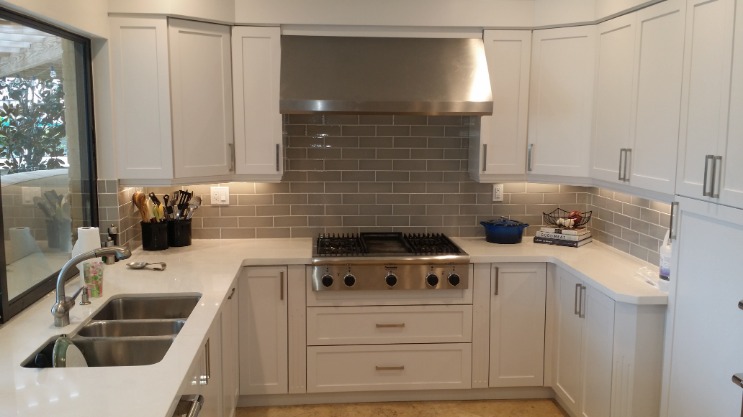
Consider fixture size, finish, and material in relation to cabinet color, countertop surface, and overall room finish. Metals like brass, chrome, or matte black read differently against warm wood cabinetry compared with white shaker cabinets. Glass shades soften light and can help spread illumination evenly across a counter, while metal shades can create focused pools of light and interesting shadow play. Choose finishes that complement existing hardware and appliances to create a cohesive look.
Bulb choice matters as much as fixture selection. Opt for high-CRI LEDs to render food and finishes accurately and pick a color temperature that suits the kitchen’s style — warmer (2700–3000K) for cozy, traditional kitchens and cooler (3000–3500K) for contemporary, high-contrast spaces. Dimmable options add versatility, letting you shift from bright prep lighting to softer evening ambiance. For multi-functional islands, combine pendant fixtures with under-cabinet lights or recessed ambient lighting to achieve layered illumination that accommodates all kitchen tasks.
Think about maintenance and cleaning too. Fixtures with open designs are easier to clean but may show dust faster; enclosed shades protect bulbs but can trap grease near cooking zones. Finally, ensure the chosen fixtures meet safety and placement requirements for areas exposed to steam and heat. Precise selection and thoughtful pairing of style, function, and technology will make pendant lighting a practical and beautiful focal point in any kitchen.
Design Styles, Placement, and Measurements
Design style and proper placement determine how well pendant lighting performs and how it visually anchors the kitchen. There are classic styles that consistently work well: industrial metal shades for a modern loft feel, clear glass globes for a minimalist look, and oversized farmhouse pendants for a rustic kitchen. For contemporary kitchens, linear or multi-light fixtures can provide broad, even illumination across an island, while single dramatic pendants can create a striking focal point in smaller spaces.
Height and spacing rules help avoid common mistakes. For kitchen islands, a typical guideline places the bottom of the pendant 30–36 inches above the countertop for ceilings between 8 and 9 feet; increase that by 2–3 inches for each additional foot of ceiling height. For spacing multiple pendants, divide the island length by the desired number of pendants and use that to set center-to-center spacing, often 24–30 inches apart for standard islands. Keep pendants small or narrow over sinks and wider, lower fixtures over seating areas where impact is desired.
Scale matters: small fixtures can get lost over a large island, while oversized pendants can overwhelm a compact kitchen. Consider the room’s lines — pendants aligned with cabinet runs or the sink’s centerline create visual harmony. Also weigh how the pendants interact with reflections from glossy countertops or stainless-steel appliances; clear glass can multiply reflections while matte finishes reduce them. Use pendant lighting to highlight textures like backsplashes and countertops by directing light to bring out depth and color.
Mixing styles can work if done deliberately: a uniform finish across different shapes or repeating a material (e.g., black metal) ties disparate pendants together. Lastly, account for seating; pendants above bar stools should allow sightlines between seated people and the rest of the room, so avoid very low-hanging fixtures that block views or conversations.
Installation, Energy Efficiency, and Real-World Examples
Installation and technology choices impact long-term satisfaction with kitchen pendants. Choose fixtures compatible with existing electrical setups or plan for rewiring when necessary. Incorporate dimmers and smart switches to control light levels and color temperature for different tasks and times of day. Energy-efficient LEDs not only reduce power use but also offer long lifespans and consistent color rendering. Look for high-lumen output per watt and a CRI of 90+ when possible to ensure food and surfaces look natural.
Consider practical factors like heat, humidity, and cleaning. Fixtures over cooktops or near steam sources should be rated for damp or wet locations as appropriate. Modular or pendant systems with replaceable components make future updates easier and can extend the fixture’s useful life. Maintenance-friendly designs that allow easy access to bulbs and simple cleaning keep fixtures looking fresh without professional help.
Real-world examples illustrate effective choices. In a compact urban apartment, three small clear-glass pendants spaced evenly over a narrow island created elegant task lighting without overwhelming the room. A farmhouse renovation used two oversized metal pendants centered over a long island to anchor a rustic aesthetic while integrated LEDs provided bright, even illumination for prep work. In a modern kitchen, a linear multi-light pendant above the island offered continuous light across the surface and paired with recessed ceiling lights for layered illumination.
When sourcing fixtures, choose retailers that offer a variety of styles and clear specifications so you can match scale, finish, and lighting performance to your space; for example, curated collections of pendant lights for kitchen make it easier to compare finishes and dimensions. Thoughtful installation, energy-conscious choices, and learning from real installations will help ensure pendant lights are both beautiful and highly functional in everyday kitchen life.