About :
We are a team of passionate people who love what we do and care about hearing health. Our vision is to ensure children and adults have access to good hearing services to achieve their full potential in life. We are experienced audiologists who are registered full members of the New Zealand Audiological Society (MNZAS). Since graduating from the University of Auckland, we have both worked in a large audiology company in several clinics around Auckland. We have worked extensively with adults, children, and in specialised areas of audiological testing. We both have experience as clinic managers and supervisors. As independent audiologists, we aim to provide the best quality of care for every person and every family, ensuring that our clinical decisions and recommendations are best for you.
Why professional ear wax removal matters in Auckland
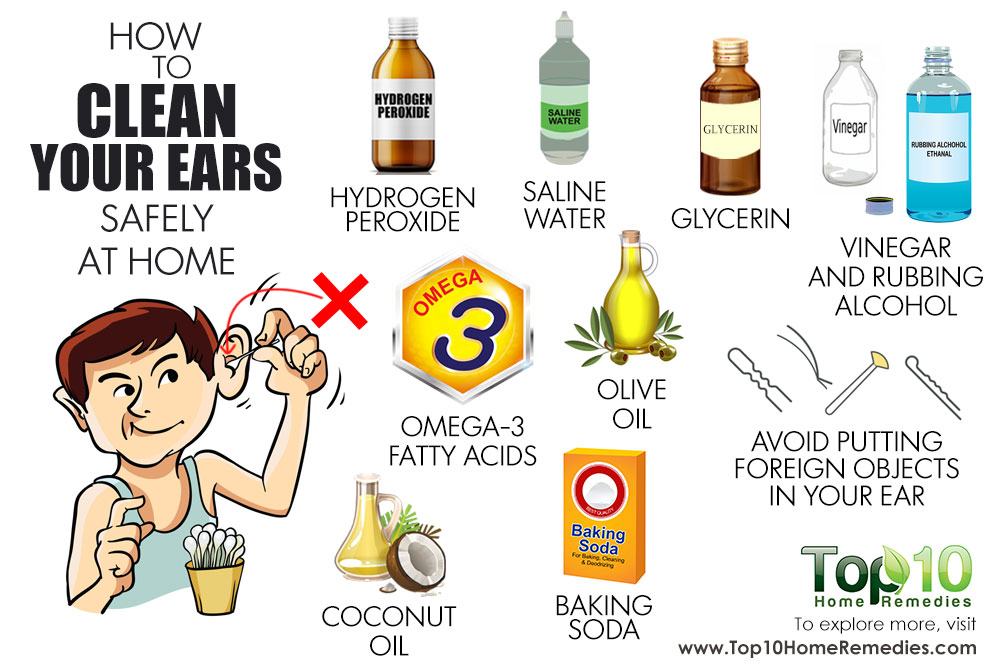
Ear wax (cerumen) is a natural, protective substance produced by the ear canal. In many cases it clears itself, but when wax accumulates it can cause hearing loss, discomfort, tinnitus, itchiness, and increase the risk of infection. Attempting removal at home with cotton buds, hairpins, or unregulated ear candles often pushes wax further into the canal or damages delicate structures, making problems worse. Professional removal reduces these risks and restores ear function safely and effectively.
Registered audiologists and trained clinicians in Auckland use proven methods such as micro-suction, gentle irrigation, and manual microsuction under direct visualisation. These approaches are selected based on the patient's anatomy, medical history, and the character of the blockage. For example, micro-suction offers precise removal without water and is often preferred for people with previous ear surgery, perforations, or recurrent infections. Clinics operating to professional standards provide pre-treatment assessment, appropriate equipment, and infection-control practices that protect both patient and clinician.
Accessibility to qualified care is important across Auckland’s diverse communities. Children, older adults, hearing aid users, and people with chronic health conditions benefit most from clinically supervised removal. In addition to immediate symptom relief, professional ear wax services include advice on prevention, the safe use of cerumenolytic drops, and guidance for ongoing hearing health maintenance. Choosing a registered provider ensures the procedure aligns with best-practice protocols and local healthcare expectations.
Safe methods, what to expect during a visit, and aftercare
An appointment for ear wax removal typically begins with a thorough history and an otoscopic examination to assess the ear canal and eardrum. Visualisation identifies whether the obstruction is soft, hard, impacted, or associated with other conditions such as inflammation or perforation. Treatment choice follows: micro-suction offers high-precision removal using gentle suction and magnification; irrigation uses warm water to flush softened wax and is suitable for many—but not all—patients; manual removal with specialised instruments is applied where direct access and visibility make it appropriate.
During the procedure, clinicians take steps to ensure comfort and safety: careful positioning, explanation of sensations to expect, and pauses if discomfort occurs. Sterile techniques and single-use tips minimise infection risk. For children or anxious adults, behavioural strategies and a calm environment ease the process. Aftercare instructions typically include avoiding cotton buds, using recommended cerumenolytic drops if advised, and monitoring for any persistent symptoms such as pain or discharge.
For reliable local care and appointment information, consider booking Ear Wax Removal Auckland with providers who list registered audiology credentials and transparent practice policies. Follow-up is recommended when hearing does not improve after removal, when recurrent blockage occurs, or when there are signs of ear disease. Clear communication about medical history—such as diabetes, anticoagulant use, or previous ear surgery—helps clinicians choose the safest method for each person.
Real-world examples, special populations, and practical advice
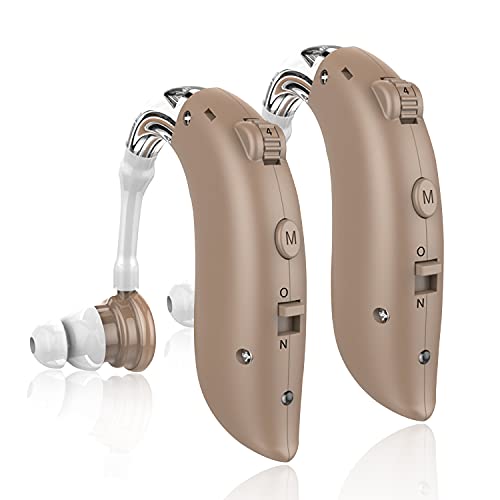
Case examples illustrate common scenarios seen in Auckland clinics. A child with recurrent ear pain and reduced classroom attention was found to have impacted wax and mild middle ear inflammation; safe removal combined with follow-up audiological checks restored hearing and improved school engagement. An elderly hearing aid user reported distorted sound and feedback; clinicians removed compacted wax and provided device-cleaning tips, which restored hearing aid function and reduced the need for replacement devices.
Special populations require tailored approaches. People with diabetes, immune compromise, or anticoagulant therapy may face higher complication risks from irrigation; for these patients, micro-suction or careful manual methods are safer. Those with narrow or tortuous ear canals, previous ear surgery, or childhood developmental needs benefit from clinicians skilled in paediatric techniques and adaptive communication. Preventative measures—using recommended drops, avoiding cotton buds, and scheduling periodic checks for hearing aid users—reduce recurrence and maintain long-term hearing health.
Practical tips for Auckland residents include seeking services from clinicians who are MNZAS registered, asking about equipment and sterilisation practices, and verifying that a visual ear exam precedes any removal method. Timely intervention avoids complications: if hearing loss is sudden, accompanied by pain, dizziness, or discharge, immediate professional assessment is advised rather than home treatments. Effective ear wax management protects comfort, communication, and the ability to participate fully in daily life.