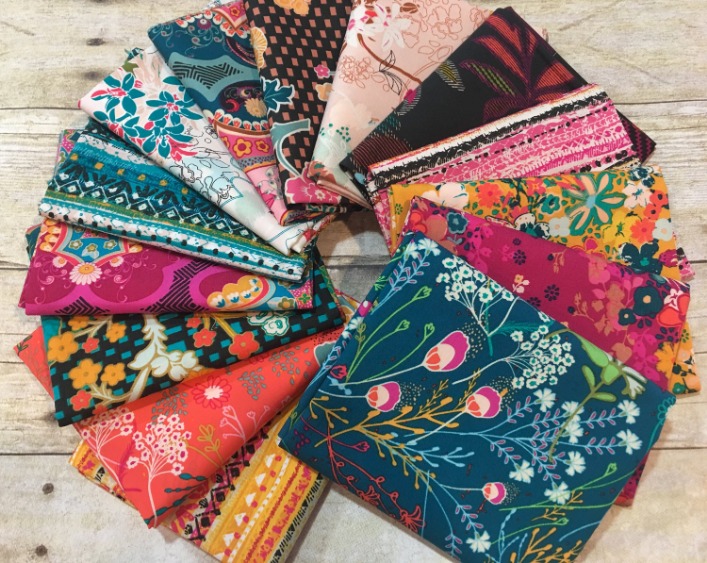
There is a common misconception that cheap fabrics are automatically low quality, scratchy, or unsuitable for serious sewing projects. In reality, the price of a textile is influenced by many factors beyond its performance or feel. Overstocks, end-of-line collections, seasonal clearances, and bulk manufacturing often allow retailers to offer discount fabrics at a fraction of the original cost while maintaining excellent standards. Understanding what affects fabric pricing helps you shop more confidently and stretch your creative budget further.
One of the primary factors is the type of fiber and how it is produced. Natural fibers like cotton, linen, and wool can fluctuate in price due to crop yields, global demand, and processing methods. Synthetic fibers such as polyester or viscose tend to be more stable in cost, especially when produced at scale. When a manufacturer changes a colour range, discontinues a print, or updates a collection, large quantities of perfectly good textiles are released into the market as clearance or discount fabrics. These are often the same quality as current-season stock, just sold at a lower price to make room for new designs.
Branding and marketing also have a big impact on cost. Designer labels add a premium, but the actual construction and composition can be very similar to unbranded alternatives. By choosing lesser-known mills or house brands, you can access cheap fabrics that perform just as well for everyday garments, home décor, and craft projects. Many experienced sewists and small business owners rely on these value ranges to keep their production costs under control without sacrificing durability or style.
Another reason low-cost textiles can still be high quality lies in modern manufacturing technology. Advances in weaving, knitting, and printing allow mills to produce large volumes with consistent standards. Digital printing has made it easier and cheaper to create intricate patterns on cottons, viscose, and poly blends, so even budget-friendly lines often feature sharp, vibrant designs that hold up to washing and wear. When combined with proper pre-washing, pressing, and sewing techniques, affordable fabrics can look and feel far more expensive than their price tag suggests.
Ultimately, the key is to evaluate each textile on its own merits. Check the fiber content, weight, drape, and finish rather than judging solely by price. Swatch tests, small trial projects, and customer reviews can help you identify which cheap options deliver the best results. With a bit of knowledge, you can build a versatile stash of low-cost, high-performing materials suitable for dressmaking, quilting, soft furnishings, and more.
How to Choose the Best Fabrics Online for Your Projects
Shopping for fabric online opens up a far wider selection than most local stores can offer, but it also demands more attention to detail. Without being able to touch or drape a textile, you need to interpret descriptions, weights, and composition information to ensure you choose the right material for your project. Developing a few simple habits when browsing for fabrics will help you select wisely and avoid costly mistakes.
Start with fiber content. Cotton is breathable and versatile, perfect for shirts, dresses, quilting, and bedding. Linen offers a crisp, airy feel ideal for summer garments and home décor, though it creases easily. Polyester and poly blends provide wrinkle resistance and durability, making them good for everyday wear, uniforms, and items that need frequent washing. Viscose and rayon have beautiful drape and a silky hand, great for blouses, skirts, and dresses. Wool and wool blends are excellent for warmth, outerwear, and tailored garments. Matching the fiber to the intended use is the first step in choosing the right textile online.
Next, pay close attention to weight and structure. Online fabric shops usually list GSM (grams per square meter) or descriptions such as “lightweight,” “medium weight,” or “heavyweight.” Lightweight materials like lawn, voile, georgette, and chiffon are sheer or semi-sheer and best for floaty garments, linings, or layering pieces. Medium weights like poplin, quilting cotton, sateen, and many jerseys are suitable for shirts, dresses, and casual trousers. Heavyweights such as denim, canvas, upholstery weaves, and coating wools are better for jackets, bags, and furnishings. When in doubt, compare the stated weight to a textile you already know to get a sense of how it might behave.
Stretch and drape are equally important. Jersey, ponte, scuba, and some crepes contain elastane or spandex, making them ideal for body-hugging garments, leggings, and knit dresses. Woven fabrics without stretch are better for structured pieces like shirts, A-line skirts, or tailored trousers. Product descriptions that mention “fluid drape,” “crisp handle,” or “structured” give clues about how the cloth will behave when sewn. If an item is described as “slippery” or “delicate,” consider whether your sewing skills and equipment are suited to handling it.
Print scale and colour representation are crucial when buying fabrics online. Look for listings that show close-ups of the pattern, or mention the size of motifs and repeats. A floral that appears small in a thumbnail might actually have very large blooms, which can dramatically change the look of your garment. Also remember that screens can distort colours; reading the written colour descriptions and, where available, checking customer photos can give a more accurate impression than relying solely on one image.
Finally, consider care instructions and practicality. If you are sewing children’s clothes, uniforms, or workwear, look for textiles that can be washed at higher temperatures and resist frequent laundering. For formalwear, evening dresses, or special occasion pieces, a more delicate fabric that requires gentle care may be acceptable. Combine the project’s purpose with realistic maintenance needs, and you will be more satisfied with your purchase in the long run.
Maximizing Value with Discount Fabrics: Real-World Strategies and Examples
Strategic use of discount fabrics can dramatically lower the cost of sewing, crafting, and small-scale manufacturing without compromising style or function. The key is to plan projects around what is available at reduced prices, rather than treating fabric as an afterthought. Many experienced makers build their queues by browsing clearance sections first, then matching patterns or ideas to the best deals they find.
One practical strategy is to look for versatile basics in the sale section. Solid-colour cottons, jerseys, linens, and poly blends in neutral or staple shades can become wardrobe workhorses: shirts, trousers, skirts, linings, and simple dresses. By stocking up on these when prices are low, you create a foundation for future projects. Seasonal prints and on-trend colours can then be introduced in smaller quantities for statement pieces, trims, or accents, keeping overall costs balanced.
Home décor provides excellent opportunities for saving with cheap fabrics. Curtain making, cushion covers, table linens, and simple upholstery projects often require substantial yardage, which can add up quickly at full price. Clearance upholstery weaves, heavy cottons, and canvas-style textiles allow you to refresh a room for far less than buying ready-made items. Even small cuts of discounted furnishing fabrics can be turned into cushion fronts, tote bags, or storage baskets, offering a high-impact look for a modest investment.
For small businesses and micro-brands, carefully sourced bargains can mean the difference between profit and loss. A home-based children’s clothing label, for example, might rely on end-of-line jerseys and cotton prints to keep unit costs manageable while still offering unique garments. By purchasing from reliable suppliers of Cheap Fabrics, these makers can test new styles, experiment with colourways, and respond to customer preferences without tying up large sums of money in inventory.
Case studies from the sewing community show how powerful this approach can be. A dressmaker specializing in occasion wear might buy luxurious-look satins, mikados, or lace trims at clearance prices, then combine them with carefully chosen linings and notions to create gowns that feel high-end but are accessible to more clients. Similarly, quilting enthusiasts often mix premium designer prints with discounted solids or blenders, achieving visually rich quilts at a fraction of the cost of using all top-tier ranges.
Sustainability can also align with the use of discount fabrics. Many discounted lines are remnants, deadstock, or surplus from larger production runs. Using these materials helps prevent waste and makes the most of textiles that have already been manufactured. Upcycling thrifted garments or home textiles, and supplementing them with sale-yardage for linings, facings, or contrast panels, can create unique, eco-conscious pieces that still respect budget constraints.
Planning is essential to truly maximize value. Maintain a running list of potential projects—shirts, dresses, quilts, cushions, bags—and the approximate yardage and fabric types they require. When you encounter a strong bargain, you can immediately see which ideas it suits. Over time, this approach builds a coherent stash rather than a random pile of mismatched textiles. With thoughtful selection and an eye for opportunity, discount fabrics become a powerful tool for expanding your creative possibilities while keeping costs under control.