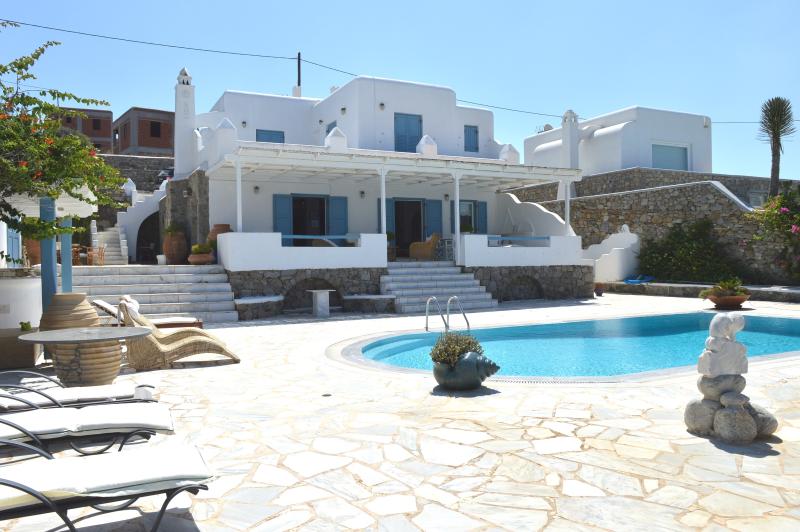
Why Tinos is Perfect for Long Stays and the Modern Digital Nomad
Tinos combines traditional Cycladic charm with practical amenities that make it an attractive base for anyone looking to stay longer on a Greek island. Cobblestone streets, marble workshops, and family-run tavernas make the rhythm of life here slow and authentic, while ferries to Mykonos and Piraeus keep the island connected. For remote workers, reliable mobile internet coverage across most of the island, a growing selection of cozy cafés with strong Wi‑Fi, and an increasing number of private apartments and villas equipped for monthly rentals create a comfortable balance between work and Mediterranean living.
Monthly living costs on Tinos are often lower than the busier Cyclades islands. Renting a furnished studio or two-bedroom in Chora or one of the inland villages during shoulder seasons can be especially economical. Many places include fast fiber or reliable 4G, and some landlords happily accommodate longer stays with discounts. Work-friendly cafés in Chora and Panormos offer comfortable seating and plugs, and several guesthouses provide quiet work nooks and flexible check-in times. For those who want a stronger community, small coworking spaces and informal meetups have begun to appear, especially during spring and autumn.
Practical considerations make long stays smoother: a rented car or scooter unlocks the island’s villages and beaches, while local markets supply fresh produce, cheese, and cured meats for home cooking. Cultural rhythms—weekly markets, religious festivals, and artisan workshops—offer enriching breaks from the screen. For curated accommodation options tailored to remote workers and longer stays, check out tinos digital nomad offerings that list vetted properties, local contacts, and seasonal availability to simplify planning.
Best Villages in Tinos: Where to Live, Eat, and Explore
Tinos is dotted with picturesque villages that are both photogenic and practical for daily life. Chora (Tinos Town) is the busiest hub: a labyrinth of alleys, churches, cafes, and shops clustered around the port. Staying here means immediate access to ferries, supermarkets, bakeries, and nightlife. Pyrgos, famed for its marble artistry, is a top choice for visitors interested in local craft. The village doubles as an open-air workshop where sculptors practice centuries-old traditions—an inspiring backdrop for creative residents.
Volax is unique: a landscape of giant granite boulders and basket-weaving traditions unlike anywhere else in the Aegean. It’s quiet, photogenic, and perfect for day hikes and solitude. Triantaros and Kardiani sit inland, offering cooler summer temps, authentic village life, and local tavernas that serve home-cooked specialties. For beach lovers who also want village charm, Panormos and Agios Fokas offer pleasant seaside living with easy access to cafés and water-based activities. Many villages host weekly festivals or local markets where you can sample louza, pies, and cheeses and meet producers directly.
Choosing the right village depends on lifestyle priorities: convenience and services point to Chora, artisanal immersion leads to Pyrgos, and serenity draws people to Volax or inland hamlets. Public transport links exist but are limited; renting a vehicle is recommended. For those seeking a balance between authentic village life and modern comfort, look for guesthouses in traditional settlements that advertise reliable Wi‑Fi and flexible stays—these properties often provide the perfect home base to immerse in the island’s culture while maintaining a work routine.
Things to Do in Tinos: Beaches, Hikes, Food Trails, and Cultural Immersion
Tinos offers an abundance of activities that suit slow travelers and active visitors alike. Beaches range from organized sands to secluded coves: Kolimbithra features golden sand and clear water with café service, while Panormos and Livada are ideal for swimming and family days. For a quieter seaside experience, Agios Sostis and Agios Fokas reward those willing to explore narrow coastal roads. Boat trips and day charters are readily available from Chora, opening access to hidden coves and nearby islets.
Hiking on Tinos reveals ancient trails, marble-carved paths, and panoramic ridges. Well-marked routes connect villages like Volax, Pyrgos, and Kardiani, passing windmills, dovecotes, and terraced fields. Archaeology enthusiasts can explore small Byzantine chapels, ruins, and the island’s archaeological museum. Culinary trails are a highlight: join olive-press or cheese-making demonstrations, or time a visit to sample seasonal delights at village tavernas. Local specialties—such as louza (cured pork), local cheeses, honey, and the island’s aromatic wild greens—are reasons to linger at family-owned eateries.
Cultural experiences center on deep-rooted traditions. The annual pilgrimage to the Church of Panagia Evangelistria in Chora draws thousands on August 15, a vivid display of faith, music, and communal meals. Outside peak festival times, marble workshops offer hands-on classes, and artists host open studios that welcome visitors. Real-world travel examples: a photographer might spend mornings capturing Pyrgos’ marble facades and afternoons editing at a seaside café; a family could combine beach days at Kolimbithra with slow dinners in Volax. Practical tips: rent a car for full access, visit in spring or early autumn to avoid crowds, and book accommodations early for the high season to secure the best locations and prices.