When twilight slides across the driveway and the day’s last task becomes the night’s first ritual, the right lighting turns a threshold into a stage. Choosing outdoor garage lights isn’t just a matter of brightness; it’s the craft of shaping mood, visibility, and durability into a single, resilient fixture.
Form Meets Function in the Elements
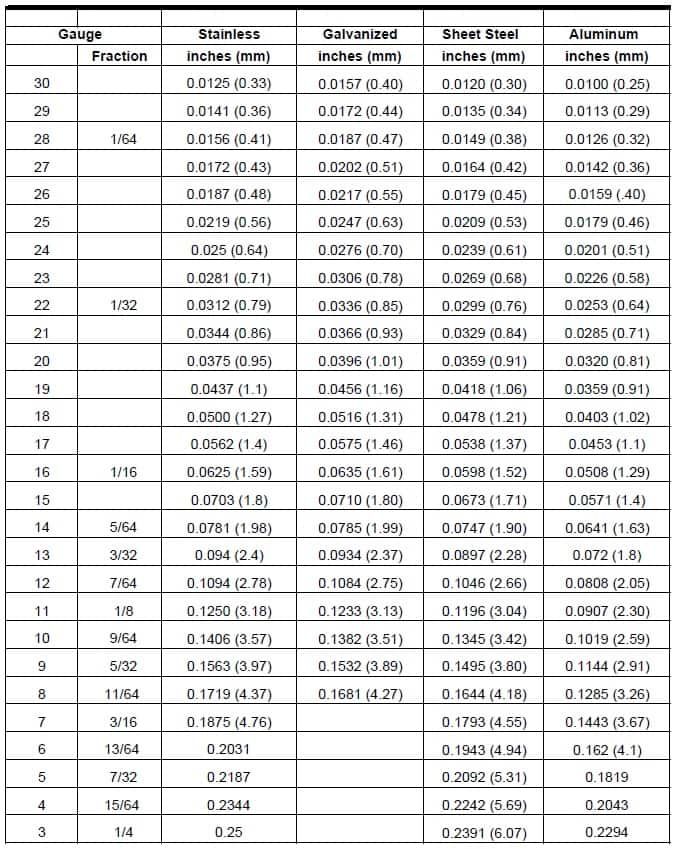
In the open air, materials matter more than ever. Coastal winds, summer heat, and winter grit can test lesser builds. Heavier-gauge steel with a robust powder-coat finish resists dings, corrosion, and fading while keeping profiles crisp over years of weather. Our lights are hand spun out of 18 gauge steel, since only the strongest materials can be trusted to tell the strongest stories.
Design-wise, barn-inspired shades and gooseneck arms throw a confident, directional beam that reduces glare on glossy car paint and wet concrete. Dome or bell shades with deep profiles help keep light where you need it—on the apron, the entry, and the workbench inside—while minimizing light trespass onto neighbors or the night sky.
Light Quality: Brightness, Color, and Control
For driveway and entry visibility, target a practical output that balances clarity with comfort. A pair of fixtures flanking a double garage door often lands well around 800–1200 lumens per side, while a single central fixture may need more depending on mounting height and shade style. Warmer color temperatures (2700K–3000K) flatter architecture and reduce harsh contrast; neutral whites (3500K–4000K) can enhance task clarity if you tinker with tools late into the evening.
Dimming capability lets one fixture serve many moods—bright for projects, low for evenings. Motion sensors and dusk-to-dawn controls bring safety and convenience: full brightness when you arrive, economical standby the rest of the night. Aim for LED sources with high color rendering (90+ CRI) to better distinguish hardware finishes, stain colors, and safety markings.
Placement, Height, and Beam Strategy
Mounting height and spacing decide how gracefully a beam falls. For single doors, place fixtures about one-third from each edge; for double doors, flank each side. At 7–9 feet high, most shades cast a flattering bowl of light without forcing glare at eye level. Gooseneck arms create a forward-throw that cuts across the driveway, while flush wall mounts hug tighter to the facade—useful where space is tight or the wind is fierce.
Consider layering. A pair of wall fixtures at the door, a focused task light above the workbench just inside, and a subtle eave fixture for ambient wash will handle everything from unloading groceries to sanding boards. If you store cameras above the door, aim fixtures just below the lens line to avoid wash-out and maintain crisp footage.
Weather Readiness and Maintenance
Wet-rated fixtures with sealed sockets and gaskets stand up to rain, snow, and spray. A smooth, durable powder coat wipes clean, while solid metal shades resist UV chalking and hairline cracks that can appear in thinner or composite materials. Seasonally, check fasteners, refresh caulk around the mount, and wipe shades to maintain full brightness and clean edges of light.
Style That Earns Its Patina
Finish selection anchors curb appeal. Matte black contrasts crisply with modern siding; farmhouse whites and soft grays complement shaker doors and natural wood. Industrial galvanization lends a utilitarian honesty that pairs with board-formed concrete or reclaimed brick. The most compelling setups balance utility with sentiment—hardware that looks as good at noon as it does under rain at midnight.
Installation Pointers for Lasting Performance
- Use solid junction boxes and weatherproof gaskets for a firm, sealed mount.
- Confirm fixture size relative to the door: roughly one-quarter to one-third the door height per side light works well.
- Choose compatible dimmers and sensors rated for LED loads.
- Test beam direction at dusk before final tightening to fine-tune coverage and avoid hotspots.
Choosing with Confidence
Great outdoor garage lights wear two hats. They blend into daytime architecture like purposeful sculpture, then switch on to become guides, guardians, and collaborators after dark. The best examples feel inevitable—sized right, mounted right, and built from materials that grow more characterful with use.
If you value heavy-gauge steel, classic forms, and honest illumination, explore outdoor garage lights that are crafted to work as hard as they look. Choose with intent, install with care, and you’ll earn a spill of light that welcomes every arrival and keeps the night usefully bright.